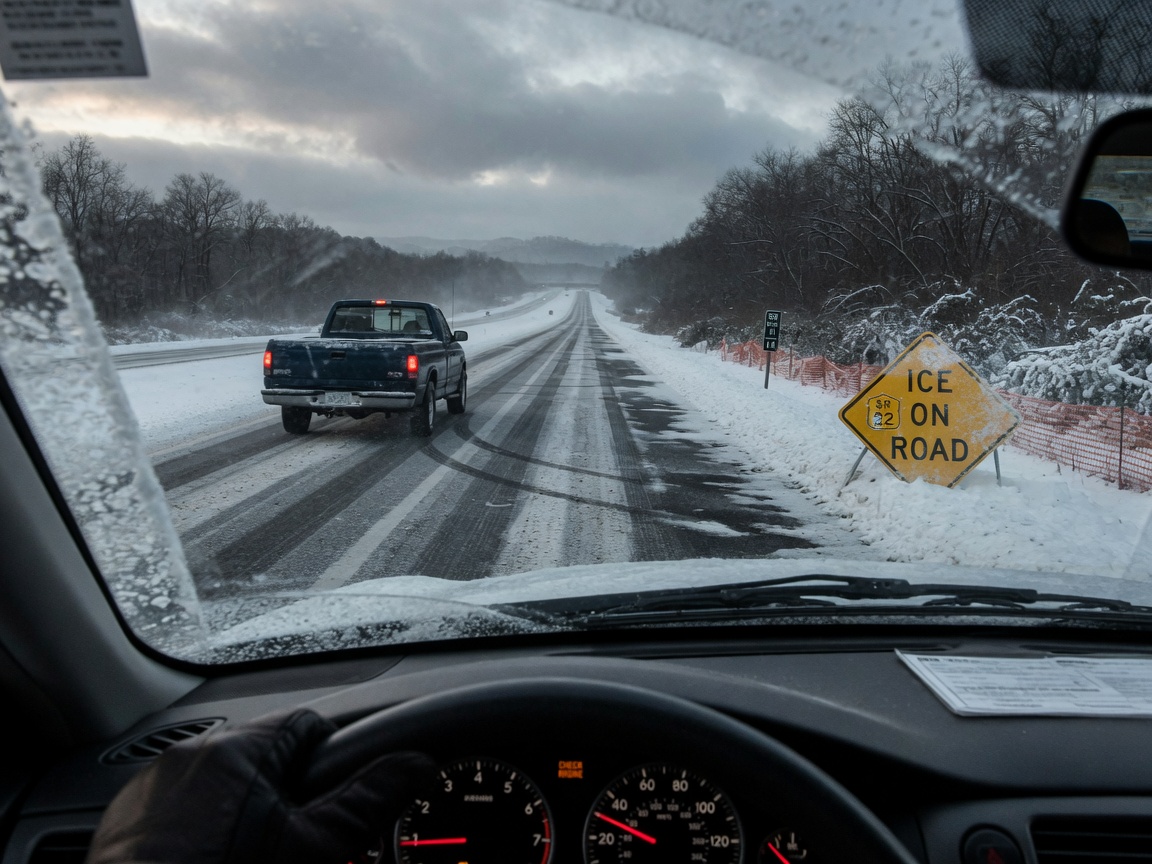
Harbor SR22 Insurance helps Pasco residents handle SR22 Insurance filings after violations. Our office at 910 12th Ave serves drivers throughout Cowlitz County who need to meet court or DMV requirements quickly. Mild rainy winters near the Columbia River mean more slippery roads around Pasco, so we focus on fast, accurate filings that keep policies active during wet seasons.
Pasco sits near the Cowlitz River and shares Longview’s older housing stock with narrow driveways and limited off-street parking. These conditions affect how clients get to our office and how we schedule in-person meetings. We also assist Non-owner SR22 Insurance customers who commute between Longview and nearby Kelso or Castle Rock without owning a vehicle.
Around Pasco
We regularly work near:
- 📍Lake Sacajawea
- 📍Longview Civic Center
- 📍Cowlitz River
- 📍Downtown Longview
SR22 Insurance in Pasco — Local Notes
- •Rainy winters increase collision claims in Pasco’s older neighborhoods, prompting more SR22 filings during the wet months.
- •Narrow lots and limited parking near the Cowlitz River make office visits harder for some Pasco clients, so we offer phone and evening options within posted hours.
- •Mild summers reduce weather-related claims but do not change the need for continuous coverage on SR22 policies for local drivers.