2026-08-21 ·
Winter Driving Hazards On Longview Roads And SR22 Implications
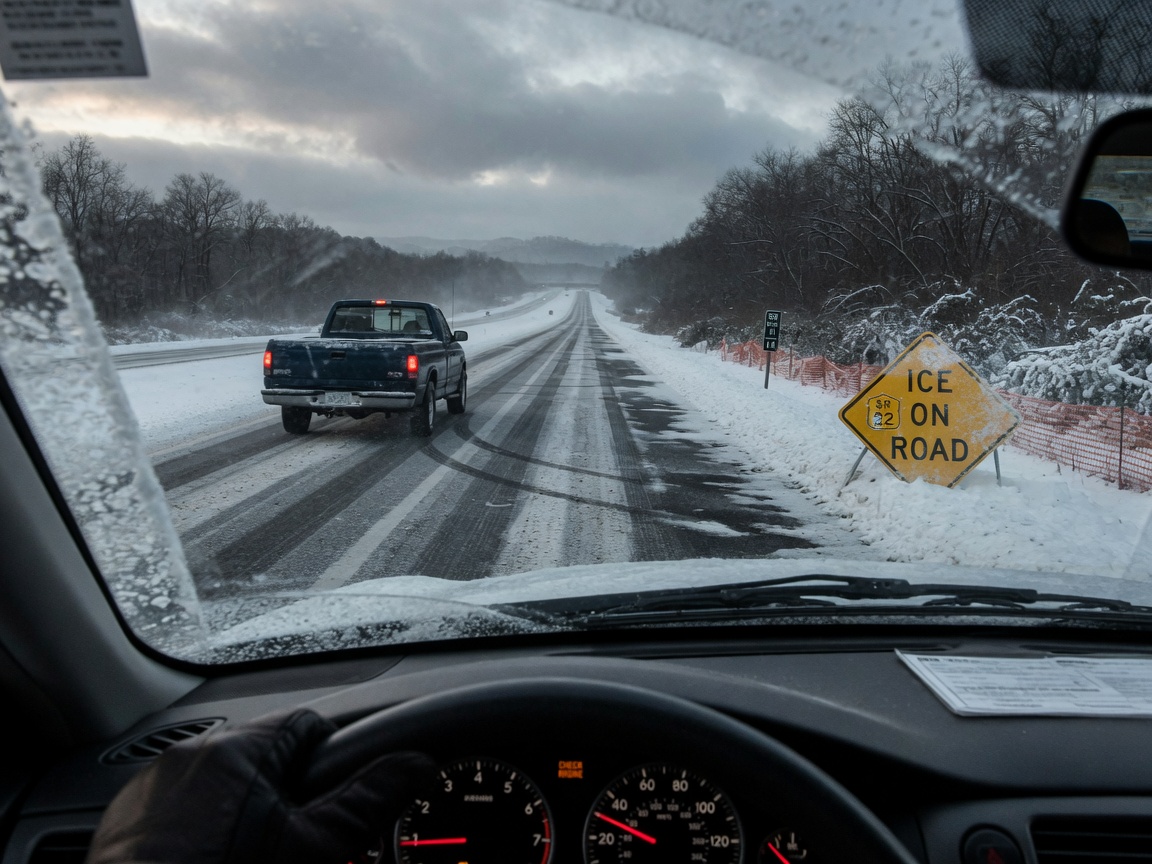
Winter driving in Longview often leads to higher accident rates on rain-slicked pavement along routes near the Cowlitz River and Lake Sacajawea, which can result in license suspensions that require filing SR22 Insurance with the Washington Department of Licensing to regain driving privileges.
Rain-Slicked Pavement in Downtown Longview and West Longview
Longview experiences frequent light rain throughout winter months that leaves roads oily and unpredictable, especially on older asphalt surfaces common in Downtown Longview and West Longview neighborhoods. Drivers traveling between these areas and the Longview Civic Center face reduced traction at intersections where water pools near the Cowlitz River bridges. These conditions increase the chance of rear-end collisions or loss of control on curves, situations that often produce traffic citations leading to SR22 filings. Local drivers report that morning commutes before 8am see the worst visibility when fog mixes with drizzle off the Columbia River.
Hazards Around Highlands and Mint Valley During Wet Seasons
The Highlands and Mint Valley areas feature steeper grades and residential streets that collect standing water quickly during prolonged rainy periods. Vehicles sliding on these inclines near Lake Sacajawea can strike curbs or other cars, producing at-fault claims that raise insurance risk profiles. In Cowlitz County, such incidents frequently prompt courts to mandate SR22 Insurance for three years of continuous coverage. Mild temperatures keep ice rare but allow hydroplaning at speeds as low as 35 mph on flooded sections, a factor that catches many residents off guard when returning from nearby Kelso or Castle Rock.
How Weather Patterns Affect SR22 Compliance in Cowlitz County
Continuous coverage is essential once an SR22 is filed because even one missed payment can restart the clock on the three-year requirement. Rainy conditions near the Columbia River make single-vehicle accidents more common on routes connecting Longview to Castle Rock, and these events can lead to policy lapses if drivers let coverage drop after a claim. SR22 Insurance for high-risk drivers in Cowlitz County explains the filing process in detail for residents facing these exact situations.
Non-Owner Options for Drivers Without Vehicles
Residents who rely on rideshares or borrowed cars after a suspension sometimes choose non-owner policies to satisfy court orders without insuring a specific vehicle. Non-owner SR22 Insurance meets the state's minimum liability requirements while allowing flexibility for those living in apartments near the Longview Civic Center. This option proves useful for individuals whose work commutes cross into Kelso during peak winter rain.
Preventing Lapses After Winter Incidents
A single accident on wet roads near Mint Valley can lead to license action, making it critical to keep payments current on any required filing. What happens if your SR22 policy lapses while living in Longview outlines the DMV notification timeline and steps to avoid extended suspensions. Maintaining coverage through the full three-year period remains the only way to clear the requirement without additional penalties.
Harbor SR22 Insurance Longview at 910 12th Ave stays open Monday through Friday 8am–6pm and Saturday 9am–2pm to help Cowlitz County drivers review options after winter weather events.